
Last Updated on October 12, 2026
One of my favourite ways to travel is to stay in homestays. I’ve stayed with families in Morocco and Nepal, and some of my favourite memories from those trips are of the time I spent with my hosts.
A homestay is a type of accommodation where you stay in someone’s home, usually for a fee. Depending on the arrangement, you might share meals with your host, spend time getting to know them, or participate in activities they offer.
I’ve found that homestays can be a wonderful way to learn about a place through conversations with the people who live there. And when they’re thoughtfully operated, they can be a way to support locally owned tourism businesses.
But if you’ve never stayed in a homestay before, you probably have questions. How do they work? Are meals included? How do you find one? And how is staying in a homestay different from booking a hotel?
I’ve put together this guide to answer those questions, share some of my own experiences, and explain what I’d look for when booking a homestay abroad.
- What Is a Homestay?
- What Is the Difference Between a Homestay and a Hotel?
- 6 Benefits of Staying in Homestays
- 3. There Are Opportunities for Cultural Exchange
- 6. Homestays Can Support Locally Owned Tourism Businesses
- Are There Any Disadvantages to Staying in Homestays?
- How Much Does a Homestay Cost?
- Are Homestays Safe?
- 4 Ways to Find and Book Homestays Abroad
- What to Ask Before Booking a Homestay
- How to Be a Respectful Homestay Guest
- Is Staying in a Homestay Worth It?

What Is a Homestay?
A homestay is a type of accommodation where a visitor stays in the home of a local host. Usually, you pay for a private room, although the exact setup varies.
Some homestays are run by families who welcome visitors into their homes. Others are hosted by individuals or couples. Your host might live in the same building, or you might stay in a separate room or building on their property.
In a more involved homestay, you might eat meals with your hosts and be invited to participate in activities like cooking or farming. Some hosts organize cultural activities for guests, too.
Other homestays operate more like guesthouses. You have your own space, breakfast might be provided, and you spend most of your time independently.
This is an important distinction because the word homestay doesn’t guarantee a particular experience. When I’m booking one, I always look closely at what the host actually offers.

What Is the Difference Between a Homestay and a Hotel?
The biggest difference between a homestay and a hotel is the accommodation setup and how much interaction you might have with your host.
Hotels are generally operated as dedicated accommodation businesses. They typically have reception services, housekeeping, and staff available to help guests. Depending on the hotel, you might also have access to a restaurant or other facilities.
A homestay is usually much smaller. You may be staying in someone’s family home, sharing common spaces with them, and following the household’s routines.
For example, at a hotel, breakfast might be served in a restaurant. At a homestay, you might sit down for breakfast with your host family. Sometimes, you may even be invited to help prepare it.
While staying in a homestay in Barang, Nepal, I helped cook the meals every day. I was usually only responsible for simple things, like chopping up vegetables, but it was a great way to spend time with my host family. And, being involved in the cooking process meant I got to learn how traditional Nepalese meals (like dhal bat) are made.
Of course, some people prefer the privacy and convenience of a hotel. And plenty of locally owned hotels and guesthouses offer opportunities to connect with the people running them.
Here’s a general comparison:
| Homestay | Hotel | |
|---|---|---|
| Accommodation | Usually a room in or near a host’s home | Dedicated guest accommodation |
| Meals | May be shared with hosts or offered separately | Usually served through a restaurant or dining service |
| Privacy | Shared spaces are common | Generally more private |
| Facilities | Vary considerably | Often more standardized |
| Host interaction | Can be a significant part of the stay | Usually centred on guest services |
| Cost | Depends on location and inclusions | Depends on location and hotel category |
Neither option is automatically better. I usually stay in a mix of accommodation types during a trip.

6 Benefits of Staying in Homestays
There are several reasons I like booking homestays when I travel. Some of these benefits depend on the individual host and the kind of experience they offer, so I wouldn’t assume every homestay will be the same.
1. You Can Get to Know People Who Live in the Community
For me, this is one of the biggest reasons to choose a homestay. When you stay in someone’s home, there may be more chances to spend time together than you’d typically have in other accommodation.
You might chat over breakfast, hear about what your host does for work, or learn about their family’s experiences living in the community.
I think there’s something valuable about having the time for these conversations, especially when you’re visiting a place for the first time.
That said, I try to remember that a homestay host is running a business and has their own responsibilities. Some hosts enjoy spending lots of time with guests, while others prefer to give visitors more independence.
2. Homestays Can Lead to Lasting Friendships
One of my favourite homestay experiences was in Bhalil, Morocco, a town near Fes.
I stayed with Kamal and Jalila, who welcomed us into their home. Over the course of our stay, we spent lots of time chatting and getting to know one another.
Kamal took myself and the other homestay guests on a long walk around the village, introducing us to his neighbors, and explaining the history and culture of Bhalil. He was happy to answer questions and chat about life in Morocco, so I learned a lot from our discussions.
By the time we left, I felt like we’d made new friends. I’m still in touch with Kamal and Jalila today!
Of course, you can’t expect to form a friendship every time you book a homestay. But I think having the opportunity to build that kind of relationship is one of the things that makes this accommodation option appealing.

3. There Are Opportunities for Cultural Exchange
One thing I really enjoy about homestays is the chance to learn through everyday activities.
At Barang Village Community Homestay in Nepal, I took part in activities that gave me an opportunity to learn from people in the community.
For example, I learned how to carry a doko, a traditional basket used in Nepal. I also spent time helping to make flower necklaces. These were activities I was invited to participate in, and I appreciated having the opportunity to learn directly from the people teaching me.
I also think it’s important to recognize that cultural exchange goes both ways. I’ve had homestay hosts ask me all kinds of questions about Canada and what life is like where I’m from.
And sometimes, cultural exchange is as simple as having a conversation over dinner.
One thing I’d encourage travellers to remember is that participating in a host’s daily life should always happen on their terms. Nobody owes visitors access to their traditions or private lives.

4. Homestays Can Help You Practise Another Language
Staying in a homestay can be a great opportunity to practise speaking another language.
Depending on where you’re travelling, you might be staying with hosts who speak a different first language from you.
I find that everyday conversations provide opportunities to pick up new words and phrases. You might learn how to say good morning, ask about a meal, or thank someone for their hospitality.
Sometimes there’s a language barrier, and that’s okay. Translation apps can be useful, although they don’t always capture the full meaning of a conversation.
I try to learn a few words in the language my hosts speak before arriving. It’s a small gesture, and it can make communicating a little easier.
5. Homestays Can Introduce You to Communities You Might Not Have Otherwise Visited
Some homestays operate in smaller towns and rural communities where there are fewer conventional accommodation options.
This was my experience in Nepal. Barang Village Community Homestay is in Barang, a village in the hills near Pokhara. I learned about the community and the homestay through my trekking guide Chandra, and decided to spend a few days there.
During my stay, I had the chance to learn about the village and spend time with people who live there. Something similar happened when I booked my homestay in Bhalil, Morocco.
I was planning to visit Fes, and finding the homestay gave me a reason to spend time in nearby Bhalil, too.
I likely wouldn’t have visited either of these villages if I hadn’t booked a homestay. Neither has much tourism infrastructure, and you won’t find conventional hotels to book.
I think this is one of the interesting things about community-based tourism. When local residents have a say in how tourism operates, homestays can create opportunities for visitors to spend time in communities they might not otherwise visit.
Of course, it’s important to remember that these communities exist for the people who live there. Their value has nothing to do with whether tourists visit, and I think we have a responsibility to be respectful of people’s homes, privacy, and everyday routines.

6. Homestays Can Support Locally Owned Tourism Businesses
Another reason I like considering homestays is their potential to keep more tourism spending within a community.
When you book directly with a locally owned homestay, your payment can contribute to the income of the person or family hosting you.
This can help reduce economic leakage in tourism, which happens when money generated by tourism leaves the local economy.
Some homestay initiatives are also structured to create economic opportunities for a wider group of residents.
For example, Nepal’s Community Homestay Network works with communities to develop tourism experiences and support local hosts. The organization places particular emphasis on creating opportunities for women.
But I think it’s important to acknowledge that staying in a homestay doesn’t automatically guarantee a positive impact.
A locally owned business can still have unfair working conditions, and the way revenue is distributed will vary.
When possible, I look into who operates a homestay, how hosts are compensated, and whether the community has a meaningful role in tourism decisions.
For more on this, I’ve written a guide to responsible tourism and how to be a more responsible tourist.

Are There Any Disadvantages to Staying in Homestays?
As much as I enjoy homestays, I don’t think they’re necessarily the right accommodation for everyone.
One thing to consider is privacy. Depending on the setup, you might share a bathroom or common areas with your host family. For example, during my stay in Barang, I had a private room, but the bathroom was shared with the household.
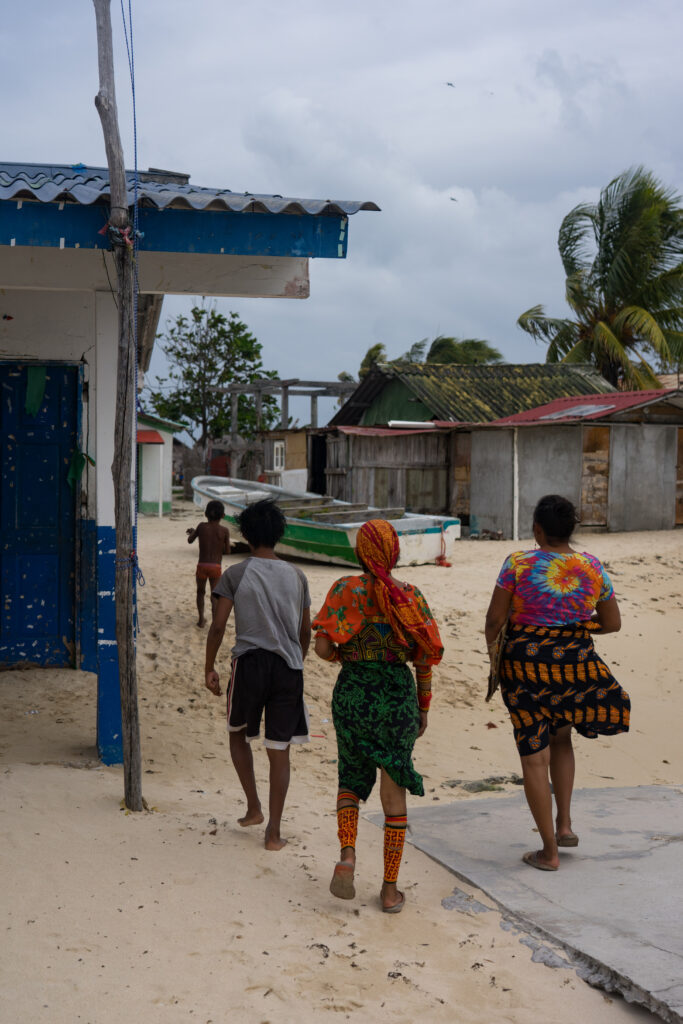
There may also be different expectations around meal times and when you come and go. For example, when I stayed in a homestay in Guna Yala, Panama, mealtimes weren’t up to me. My host family was cooking, and so they let me know every day what time meals would be at.
Facilities can be more basic than what you’re used to in a hotel. You shouldn’t assume you’ll have air conditioning, reliable Wi-Fi, or a private bathroom.
And while spending time with hosts is something I enjoy, I also recognize that it can take social energy. If you’ve had a long travel day and just want to be alone, you might prefer a different type of accommodation.
Language barriers can also make communication more complicated, especially when you’re trying to clarify dietary requirements or other important needs.
My advice is to be realistic about what you’re comfortable with and ask questions before booking.

How Much Does a Homestay Cost?
Homestay prices vary considerably depending on the country, location, room type, and what’s included.
Some homestays are inexpensive compared with nearby hotels. Others charge more because meals or hosted activities are included in the price.
I wouldn’t assume a homestay will automatically be the most affordable accommodation available. When comparing prices, I recommend looking at the total cost rather than just the nightly room rate.
For example, check whether breakfast is included, if dinner costs extra, and whether activities or transportation are charged separately.
It’s also worth checking if the price is per person or per room. If you’re booking through a platform, look for any service fees before confirming your reservation.
Are Homestays Safe?
Homestays can be a safe accommodation option, but safety depends on the individual property and host, just as it does with hotels and guesthouses.
I also think it’s important to recognize that safety is partly about perception, and what feels safe will vary from person to person.
Our personal experiences, identities, privileges, and comfort levels all influence how we assess risk. For example, a solo female traveller might have different safety considerations than someone travelling with a partner.
And sometimes, unfamiliar situations can feel unsafe simply because they’re different from what we’re used to. I think it’s worth being mindful of that distinction while still taking our own concerns seriously.
I recommend researching a homestay carefully before booking, especially if you’re travelling solo. Look for recent reviews that mention communication, the location, and whether the listing accurately describes the accommodation.
I’d also confirm the address, check how you’ll get there, and make sure you understand the check-in arrangements.
If you’re booking directly with a host rather than through an established platform, take extra care to verify the business and understand the payment terms.
For solo travellers, it’s worth asking about bedroom locks and whether bathrooms are shared. You can also ask who else lives in the home.
I think it’s completely reasonable to ask these questions. A reputable host should be able to explain the accommodation setup clearly, so you can make an informed decision about whether the homestay is right for you.
4 Ways to Find and Book Homestays Abroad
Finding homestays can take a little more research than booking a conventional hotel. I’ve used a combination of search engines, accommodation websites, and recommendations to find homestays in different countries.
Here are four approaches I’d recommend.
1. Search for Homestays on Google
I usually start with a Google search. Try combining the name of the country or town you’re visiting with the word homestay.
For example, if you’re travelling to Sri Lanka, you could search for “Sri Lanka homestay” and then narrow it down to somewhere specific, like “Colombo homestay.”
I’d also try searches like “community homestay” or “family homestay.” Sometimes, smaller homestays have simple websites that don’t appear near the top of search results. It’s worth looking beyond the first few listings.
When I find somewhere interesting, I check whether the homestay has its own website or social media account and look for independent reviews.

2. Look on Accommodation Booking Platforms
Booking platforms like Booking.com and Agoda can also be useful places to search. Depending on the platform, you may be able to filter accommodation by property type or search specifically for homestays.
Just be sure to read the listing carefully. Some properties labelled as homestays operate more like guesthouses, with limited interaction between guests and hosts.
There’s nothing wrong with that, but if you’re hoping to share meals or participate in hosted activities, it’s worth confirming what’s available. I also recommend checking cancellation policies and whether meals are included.
3. Search Dedicated Homestay Websites and Community Tourism Networks
There are websites specifically designed to connect travellers with homestay hosts. One example is Homestay.com, which lists rooms in homes where a host is present.
Another option is to look for locally operated community tourism networks. For example, Nepal’s Community Homestay Network works with local hosts and communities to organize homestays and related activities.
These networks can be useful because they provide information about the structure of the experience and may help coordinate bookings.
I still recommend reading the details of each individual homestay, since inclusions and expectations can vary.
4. Look for Recommendations on Social Media and Travel Forums
I’ve also found that social media and travel forums can be helpful when researching homestays.
Try searching Instagram, TikTok, or Reddit for the location you’re visiting along with the word homestay. You might find posts from travellers who have stayed somewhere and shared their experiences.
I particularly like looking for information about what the accommodation was actually like, whether the hosts offered activities, and how booking worked.
But I’d be careful about relying on one person’s recommendation. Check recent reviews and verify the property’s details independently before sending money.

What to Ask Before Booking a Homestay
Before confirming a homestay, I recommend getting clear answers to a few practical questions:
- What does the price include? Ask about meals, activities, taxes, and any additional fees.
- Are there household rules? Check whether there are quiet hours or expectations around arrival times.
- How do I get there? Confirm the location and whether transportation can be arranged.
- Can you accommodate my dietary needs? If you have allergies or restrictions, discuss them before booking and confirm what the host can safely provide.
I also like to ask whether it’s possible to pay the host directly, particularly when I find a homestay through a third-party booking website. If direct booking is available, I still make sure there’s a clear written confirmation of the price, dates, and cancellation terms.
How to Be a Respectful Homestay Guest
One thing I think is especially important to remember is that when you stay in a homestay, you’re being welcomed into someone’s home.
Your host is providing a paid service, and you should receive what was agreed upon when you booked. At the same time, you’re sharing space with people who have their own routines and boundaries.
I try to be mindful of this throughout my stay. For example, I always ask permission before photographing people or taking pictures inside their homes. This is particularly important when children are involved.
I also make an effort to learn about local customs ahead of time, including expectations around clothing, shoes in the house, and mealtimes.
If I’m invited to participate in an activity, I listen to the instructions and respect any boundaries my hosts set.
And I don’t expect hosts to spend all their free time entertaining me. Their time has value, and additional activities or guiding should be compensated fairly.
I think being a responsible guest also means recognizing your own travel privileges and being thoughtful about how you talk about the people and communities you visit. This includes avoiding stereotypes and being careful about cultural appropriation in travel.
If you’re interested in thinking more about your approach to travel, I’ve also written about deep travel and what it can mean to spend more time engaging with a place.

Is Staying in a Homestay Worth It?
For me, absolutely. Some of my favourite travel memories have come from homestays, particularly the time I’ve spent getting to know my hosts.
When I think back to Morocco, I remember laughing around the dinner table with Kamal and Jalila in Bhalil. And in Nepal, I remember walking with my host family up into the hills to collect tree fodder leaves to feed to the family’s buffalo.
I also think homestays are worth considering if you’re interested in supporting smaller tourism businesses and learning more about the communities you visit.
Of course, the quality of a homestay depends on the people running it and the arrangements they’ve made for guests. I always recommend doing your research and choosing somewhere that will be comfortable for you.
And if you’re new to homestays, you don’t have to book one for your entire trip. You could start with a couple of nights and see how you enjoy it.
More responsible tourism guides:
- 8 Travel Clichés and Why You Should Avoid Them
- Is It Time to Embrace Deep Travel?
- Unpacking the Pros and Cons of Tourism

