
Last Updated on July 29, 2025
Cape Breton Island is the northeastern part of the maritime province of Nova Scotia, which is Canada’s second smallest province. On a trip to Cape Breton you can learn about the island’s cultural heritage, see incredible wildlife, listen to traditional music, eat seafood, and enjoy beautiful hiking.
So, is Cape Breton worth visiting? Let’s dive in.
- Is Cape Breton Worth Visiting?
- Cape Breton: The Basics
- 8 Reasons Why You Should Visit Cape Breton
- 1. Drive the World-Renowned Cabot Trail
- 2. Visit Cape Breton Highlands National Park
- 3. Eat Delicious Seafood
- 4. Go Whale Watching and Observe Wildlife
- 5. Learn Fascinating Cape Breton History
- 6. Enjoy Indigenous Tourism Experiences
- 7. Learn About Acadian Culture and History
- 8. Experience Cape Breton Hospitality
- Final Thoughts: Is Cape Breton Worth Visiting?
Is Cape Breton Worth Visiting?
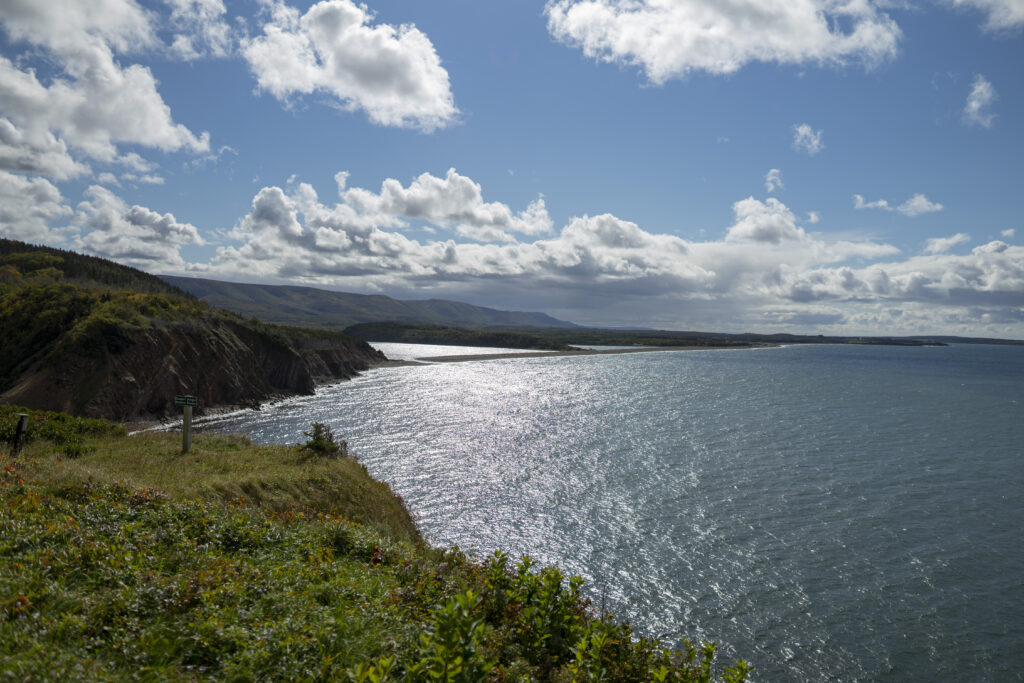
Yes, Cape Breton is absolutely worth visiting. This east coast Canadian island is known for its gorgeous natural beauty, rich cultural heritage, and diverse outdoor activities. Driving the famous Cabot Trail will treat you to incredible coastal, forest, and highland views.
Spending a few days on the island will give you the chance to experience both Acadian and Indigenous culture, and enjoy local cuisine (particularly seafood!).
Cape Breton: The Basics
If you’re thinking of visiting Cape Breton, here are some basics about the island you should know.
When is the best time to visit Cape Breton?
The best time to visit Cape Breton is July, August and September. However, if you want to avoid the crowds, spring and late fall are a lovely time of year to go. In October, there is beautiful fall foliage, and the Celtic Colours Festival takes place. Going in the shoulder season or off-season will help avoid overtourism.
How to get to Cape Breton?
The best way to get to Cape Breton is to either drive, or fly into Sydney’s J.A. Douglas McCurdy Airport. To drive from mainland Nova Scotia, you’ll take the Canso Causeway. From Halifax and Dartmouth, it’s about 4.5 hours driving. If you’re coming from Newfoundland, you can take a Marine Atlantic ferry. Maritime Bus offers service from the Nova Scotia mainland, with stops at Port Hawkesbury, Whycocomagh, Baddeck, and Sydney.
How long should you spend on Cape Breton?
To really get to know Cape Breton, and see the whole Cabot Trail, I recommend planning to spend at least 5 days on the island. With less time, you’ll be able to see some of the highlights of Cape Breton, but there will be a lot of driving. With 5 days or more, you can really take your time, and see some of the lesser-known sites.

8 Reasons Why You Should Visit Cape Breton
Let’s unpack the details of why Cape Breton is worth visiting.
1. Drive the World-Renowned Cabot Trail
What not to do on Cape Breton? Miss the famous Cabot Trail! Driving this route is one of the best things to do on the island. Completed in 1932, this roughly 300 kilometer loop starts and ends on the northern end of the island.
The drive passes through Canada’s Cape Breton Highlands National Park as well as a number of fishing villages. Roughly two-thirds of the Cabot Trail goes along the Atlantic coastline, which means you’re treated to beautiful ocean views as you drive.
While it’s possible to drive the Cabot Trail in one day, I don’t recommend it. It’s best to spend a couple days doing the loop, because there’s lots of epic stops to make along the way. At minimum you’ll want to spend 2 days on the Cabot Trail, but the ideal amount of time to spend is 5 days.
Stop at Ingonish Beach to admire the turquoise blue water, spend an afternoon at the Highland Links to play a round of golf, go on a leisurely hike to Gypsum Mine Lake, and spend an evening in Cheticamp listening to traditional Celtic music.

2. Visit Cape Breton Highlands National Park
Much of the Cabot Trail takes you through Cape Breton Highlands National Park. Within the park you’ll see beautiful highlands, ocean scenery, steep cliffs, gorgeous beaches, forests, and river canyons. You can do a driving tour of the park, or pull over at points for lookouts, beaches, and trails.
The most popular trail in Cape Breton Highlands National Park is the Skyline Trail. It’s a 5.9-mile loop trail that’s considered a moderately challenging route. It takes an average of 2.5 hours to complete.
The Skyline Trail is one of the most famous hikes in Eastern Canada, which means that it is also one of the most packed places on Cape Breton Island. As a result, this trail is now suffering from overtourism.
With so much traffic on the Skyline Trail, wildlife and the ecological integrity of the area is being impacted. The trail is often closed by Parks Canada because there are just too many people on it – And let’s be honest, crowded trails don’t make for a great experience for visitors.

If you want to be a more responsible tourist while on Cape Breton Island, consider skipping the Skyline Trail. For beautiful views on a quieter trail, hike the Acadian Trail instead. There’s also Benjie’s Lake Trail, which is nearby the Skyline Trail trailhead, and brings you on a leisurely walk to a beautiful lake.
If you don’t want to skip the Skyline Trail, you can reduce your impact by visiting in the shoulder or off-season. The months of July, August, and September tend to be the busiest, so if you can avoid those, it will make a difference. It’s also a good idea to hike the trail in off-peak times, like early in the morning.
Another great option is to hike the Skyline Trail as a Parks Canada Guided Experience. On this guided hike, your guide will stop to describe the area’s biodiversity. And you’ll learn about the challenges facing the area’s boreal forest, as well as the effects of over-browsing by the moose population.
Cape Breton Highlands National Park has some incredible beaches. Broad Cove Beach, Dingwall Beach, La Bloc Beach, and Black Brook Beach are all worth a visit. On a warm day, you can even go for a swim!
While enjoying the park be sure to follow best practices for sustainable tourism. Pack in and pack out, and stay on designated trails, and don’t approach or feed any wildlife you encounter.

3. Eat Delicious Seafood
Cape Breton Island is known for their seafood, particularly lobster and crab. You can’t visit Cape Breton (or Nova Scotia!) without indulging in some lobster dishes.
On Cape Breton, you can head to Baddeck Lobster Suppers in Baddeck to have a traditional lobster dinner. In Cheticamp, go to The Seafood Stop to enjoy their lobster roll.
Another favourite on Cape Breton is The Rusty Anchor. Be sure to get their crab, and try their clam chowder. And for an award-winning seafood chowder, be sure to stop by Charlene’s Family Restaurant in Whycocomagh.

4. Go Whale Watching and Observe Wildlife
Just off the coast of Cape Breton are migratory routes of various types of whales, including fin whales, minke whales, pilot whales, and humpback whales. There are also dolphins, including Atlantic white-sided dolphins.
Whale watching season in Cape Breton runs from late spring to early fall. There are tour operators all over the island, including in Cheticamp, Pleasant Bay, and Ingonish.
Sea life isn’t the only wildlife Cape Breton Island is known for. There’s a variety of animals you might be lucky enough to spot on land, too.
Cape Breton is home to moose, black bears, bobcats, white-tailed deer, moose, and the Canada lynx. You’re also likely to spot spot many eagles throughout the island!


I captured these photos of an eagle near the Little Narrows Ferry, Cape Breton
5. Learn Fascinating Cape Breton History
Cape Breton Island has a fascinating history spanning thousands of years. There are a number of museums around the island where you can learn about the island’s Indigenous, Acadian, and Celtic past.
The Alexander Graham Bell National Historic Site commemorates the genius of renowned inventor Alexander Graham Bell. Exhibits show how he and his colleagues achieved Canada’s first powered flight with their airplane Silver Dart, and of course,how he invented the telephone.
At the Fortress of Louisbourg National Historic Site, you’re transported back in time to one of North America’s busiest 18th-century seaports. Founded by the French in 1713, this reconstruction of the original French fortress is the largest of its kind in North America.

At the Fortress of Louisbourg you can visit various buildings which demonstrate the various aspects of life in the Fortress, and mingle with costumed interpreters who will share stories and answer questions.
Be sure to stop by the Mi’kmaw Interpretive Center to learn about how Cape Breton’s Indigenous People’s supported the French through knowledge sharing and by supporting the military during two major sieges.
Before visiting the Fortress, check the daily schedule for special events like musket and cannon demonstrations.
You can also experience North America’s only living history museum for Gaelic language and culture when you visit Highland Village Museum (Baile nan Gàidheal), which is located in Iona.
This site celebrates the story, language, and living history of Nova Scotia Gaels. As you walk through the village, you learn about why people began immigrating from Scotland to Cape Breton Island in the late 1700s.
Each building you visit represents a different time period, helping you to learn how life evolved over the decades since immigration began. Similar to the Fortress of Louisbourg, the Highland Village Museum has costumed interpreters in each building who will share stories and answer questions.


You’ll meet farm animals at the Highland Village Museum, and have the chance to watch demonstrations of spinning.
6. Enjoy Indigenous Tourism Experiences
The Mi’kmaq have lived on Cape Breton Island for thousands of years. Today, you can learn about Indigenous traditions that have been passed down over hundreds of years.
Membertou Heritage Park in Membertou, Cape Breton is a cultural center that shares information about the Mi’kmaq way of life, culture, and history. You can enter the centre to see the exhibits in their museum, and check out their programming and workshops.


Indigenous artifacts and crafts inside the Membertou Heritage Park Centre.
I also recommend popping into Kiju restaurant in Sydney, Cape Breton, to try traditional Mi’kmaq-inspired recipes or to tour the medicine gardens.
Eskasoni Cultural Journeys is a tour that is run in Eskasoni, Cape Breton. On the tour, you get to hear stories about Mi’kmaq culture in Eskasoni First Nation, while walking a 2.4 kilometer trail on Goat Island in Bras d’Or Lake.
You have the opportunity to observe or take part in a smudging ceremony, see a traditional dance, and more. Just be sure to book a tour in advance!

7. Learn About Acadian Culture and History
Cape Breton has a long Acadian history that influences life on the island today. This history began more than 400 years ago with the arrival of the first European settlers.
One of the best places to experience Acadian culture, and learn its history, is in the fishing town, Cheticamp. This small town has around 4,000 residents, and it’s known for being a worldwide leader in preserving Acadian Culture.
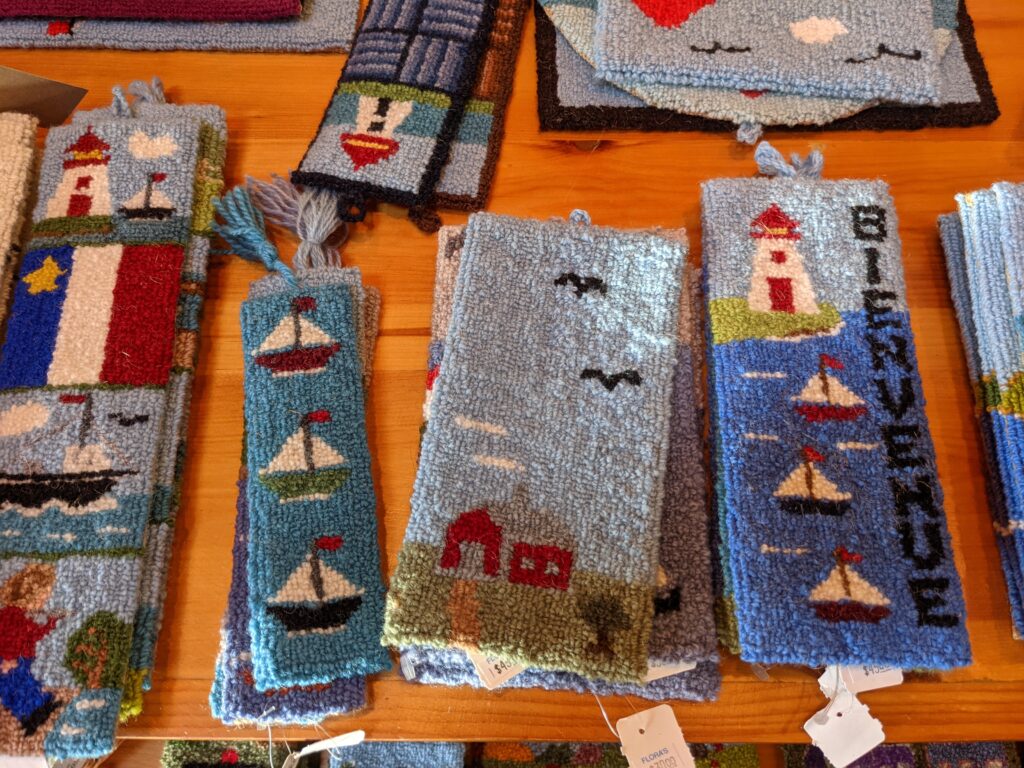
Cheticamp has a museum called Les Trois Pignons where you can learn Acadian history and traditions. You can also visit the Museum of the Hooked Rug and Home Life to learn about rug hooking, an artistic practice that originates in the area and dates back to the 1930s.
8. Experience Cape Breton Hospitality
Cape Breton has a population of roughly 90,000. This small population is spread across the island throughout towns, villages, and the small city of Sydney. The stereotype goes that places with small populations are friendlier than big cities like Toronto.
While I’m not sure that stereotype always holds true, it’s certainly been my experience that Cape Bretoners are friendly, welcoming, and hospitable.
Tourism is a key industry on the island, and so many local people participate in it. In traveling Cape Breton, you have lots of opportunities to chat and engage with Cape Bretoners. This makes for a very personal experience!

Final Thoughts: Is Cape Breton Worth Visiting?
Cape Breton is absolutely worth visiting. This maritime island is home to historic fishing towns, like Cheticamp, as well as beautiful national parks, like Cape Breton Highlands National Park. In visiting the island, you can experience everything from Acadian and Indigenous culture and history, to observing wildlife like moose and eagles.
More from Pina Travels on Nova Scotia:
- How to Visit Burntcoat Head Park
- Day Trip to Peggy’s Cove Lighthouse From Halifax
- How to Spend a Long Weekend in Halifax
- What NOT To do on Cape Breton

