
Last Updated on August 27, 2025
This might be a hot take, but I think we need to rethink the idea of “slow travel.”
In talking with other travelers, I’ve noticed that it’s usually assumed that slow travel means taking months off to wander the world, spending weeks in a single place. This interpretation of slow travel isn’t wrong. But it also isn’t realistic for many people.
Long-haul travel is not widely accessible . It takes the privilege of money, and time, and often, a flexible job arrangement, to be able to travel slowly, for months on end. This is why I think we should rethink slow travel.
I travel often, and it’s not always for long stretches. Because of this, I have learned how to embrace a slow travel mindset, even on a short trip. Even with limited time, I do think it’s possible to experience the benefits of slow travel.
If you’re not able to go on months-long trips, don’t worry! Read on to learn what slow travel is, and tips for slow traveling – even on short trips!

What Is Slow Travel?
Slow travel is about more than just moving at a leisurely pace. It’s about immersing yourself in a place, paying attention to its rhythms, and making space to connect with local culture. Instead of rushing from one sight to the next, slow travel encourages you to notice details, and be intentional with how you spend your time.
For some, slow travel means staying in one place for weeks or months. But you don’t need a long stretch of time to embrace the mindset. Even on a short trip, you can choose to prioritize depth over breadth. That might look like spending an afternoon at a neighborhood café, wandering without a strict plan, or returning to the same market a few times to get to know the vendors.
The key is letting go of the pressure to see everything and instead focusing on being present wherever you are. With a shift in mindset and a little thoughtful planning, you can bring the spirit of slow travel into any trip, whether it’s a weekend away or a month-long adventure.
8 Tips for Slow Travel on Short Trips
Unlimited time is a travel privilege that the majority of people don’t have. But spending months in a place isn’t the only way to practice slow travel.
On one of my trips to Portugal, for example, I only had a week. Instead of trying to fit in the entire country, I decided to choose the town of Lagos in the Algarve as my home base. I was able to really settle into Lagos and get to know it well.
I spent mornings enjoying the beaches, afternoons people-watching from cafés, and evenings walking the same streets over and over until they felt very familiar. I was also able to fit in day trips to nearby towns. Even in a short span of time, slowing down let me get to know Lagos and the Algarve in more depth than I would have if I’d traveled to multiple places in Portugal on that trip.
If you’d like to travel in a similar way, here are 8 tips for embracing slow travel, even when your vacation time is limited.

1. Travel to Fewer Locations
One of the biggest mistakes travelers make is trying to see too much in too little time. I’ve been guilty of this myself.
When I backpacked Europe solo in my early 20s, I wanted to see as much as I could. Even though it was a pretty long trip (about 3 months), I rushed from place to place, spending a maximum of 72 hours in every location.
I understand the urge to fit as much as possible into a trip, especially when you have limited time. But traveling to as many locations as possible can have a backfiring effect: It typically means a busy, fast-paced trip.
When you’re rushing from location to location, you typically only have time to see the “top” sights. It can be a challenge to really take in the place you’re visiting because you don’t have any space in your itinerary to slow down.
This is one of the major benefits of slow travel – Instead of hopping from city to city every few days, you settle into a place, which means you can really get to know it.

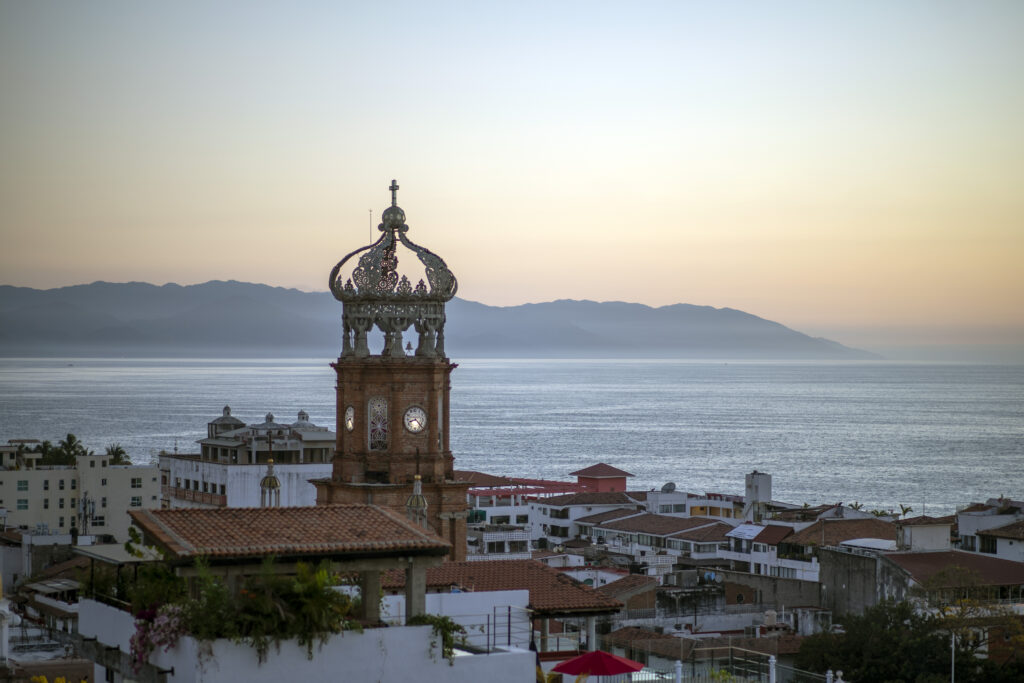
For example, by spending 1 week in Puerto Vallarta versus a few days there, and a few days in another region of Jalisco, Mexico, I was able to bake in lots of down time to just wander, popping into random shops and sitting in cafes.
I had the time to see beyond the main tourist area of Puerto Vallarta, and I had time to do nearby hikes and venture to beaches outside the city. It was a relaxed trip that gave me the chance to get to know Puerto Vallarta more in depth than if I’d visited just for 3 or 4 days.
When planning a trip, consider if you can cut a few locations out of your itinerary. Visiting less places will enable you to spend longer in the ones you do go to. This will not only reduce travel stress, but allow you to have a more in depth experience.
2. Stay in One Place
If your trip is only a few days or a week long, consider staying in just one location. Not only will this give you the freedom to explore at your own pace, but it also allows you to develop a deeper connection to that place.
By spending longer, you have time to see beyond the well-known tourist attractions and sights. You can wander through neighborhoods outside of the tourist center, spend time in cafes and shops, and enjoy spontaneous experiences that wouldn’t be possible if you were constantly on the move.
Instead of feeling rushed to pack up and move every couple of days, you can take your time getting familiar with the local rhythm, and you’ll be able to really settle into your accommodations. And, by cutting out transit days, you’ll have more time to spend enjoying your trip.
3. Opt for Local Accommodations
Staying in locally owned hotels, guesthouses, B&Bs, or homestays is a great way to practice slow travel. Not only will you directly support the local economy, but you’ll also get insights into the culture and community.
When you stay local, you have the chance to get to know your hosts. They’ll often have the best recommendations for local experiences and things to do.
While spending time in a homestay in Bhalil, Morocco, Kamal and his wife Jalila welcomed me into their home like I was a life-long friend. When I arrived, they showed me straight to my room, and then met me on their home’s roof top to chat over a glass of fresh mint tea.
They shared home-cooked meals with me, and invited me to learn about the town’s cave homes, which many families still live in today. Kamal brought me on a walking tour around the town, providing history and information about the town that gave me a context I never would have had if I’d chosen a standard hotel.
Beyond supporting the local community, choosing locally run accommodations can also make your stay feel more personal and memorable. From home-cooked breakfasts to cozy, thoughtfully designed spaces, these spots often have a warmth that big, chain hotels lack.
Staying in locally-owned accommodation is an opportunity to gain firsthand knowledge about the area, build connections that make your trip more meaningful, and support the local economy (which helps to reduce economic leakage in tourism).

4. Prioritize Quality Over Quantity
When you’re short on time, it can be tempting to create a packed itinerary. Resist the urge! Instead, pick a few key experiences that genuinely excite you and focus on enjoying them without rushing.
Taking the time to immerse yourself in one or two meaningful activities per day will leave a lasting impression and prevent burnout from constantly being on the go. While you likely won’t be able to do everything there is to do in each location you visit, you’ll probably find that you have more time to savor the activities that you prioritize.
In Dawson City, Yukon, for example, I skipped the urge to see and do everything and saved my late afternoons to just to sit in a local café. I ended up chatting with a few Dawsonites who shared stories about life in the town, from the long winters, to the town gossip. That simple, unplanned time in conversation gave me more insight into Dawson City than if I’d rushed from one attraction to the next.
Putting intention into how you spend your time on your trip, and factoring in time to relax as well as be spontaneous, will create a perfectly balanced itinerary that prioritizes quality over quantity.

5. Travel Overland
Opting to travel overland, rather than flying between destinations, is a key element of slow travel – and you don’t need to be traveling for an extended period of time to adopt this practice.
Taking a train or bus allows you to see the changing landscape, notice small towns you’d otherwise skip, and observe daily life along the way. It’s not just about getting from point A to B, it’s about making the journey part of the experience.
Overland travel is also the best sustainable tourism option for traveling between places. Air travel has a large carbon footprint, and so by choosing to travel overland instead, you can greatly reduce your carbon impact. Plus, overland travel often provides opportunities to meet locals or fellow travelers, creating moments of connection that you likely wouldn’t get on a quick flight.

6. Embrace Public Transport and Walking
Instead of rushing from place to place in taxis or rented cars, slow down by using public transportation, walking, or cycling.
By getting around the slower way, you’ll get a more authentic feel of the place you’re visiting, and you’ll have the chance to observe everyday life.
I find that when I get around by bus, metro, bike, or walking, I take notice of more than I can from a taxi. I might find myself walking down a street that I would otherwise miss, and spot a beautiful mural. I’ve also stumbled across amazing little bakeries, restaurants, and coffee shops.
Moving from point A to point B is always an opportunity to be a bit spontaneous. You miss out on that opportunity when you use a cab to get around, because you don’t have the chance to make random stops.
Whether it’s hopping on a city bus, taking a tram, or strolling down a busy street, public transport, cycling, and walking can help you take in your surroundings in a more engaged way.

7. Eat Local and Take Your Time
One of the best parts of slow travel is that you have the time to enjoy local cuisine! Rather than grabbing food on the go, you can take the time to sit down at a neighborhood eatery or a family-owned café.
Making dining an experience rather than just a meal will always enrich your travels. Look for places where locals eat, ask for recommendations, and be open to trying something new. You’ll get a taste of the area’s culinary traditions while also contributing to small businesses that appreciate community support.
Learn about regional dishes, try new flavours, and chat with the staff or other patrons. Consider taking a cooking class so you can learn how to make a local dish – a new skill that you can bring home from your trip as a souvenir!
For example, when I traveled to Uji, Japan (the birthplace of matcha!), I took a matcha tea-making class. I learned all about the history of matcha, and how to prepare matcha tea in the traditional way. Since coming home from that trip, I’ve been making matcha for myself in my own kitchen. It’s always a nice reminder of that trip, and of Uji.

8. Disconnect and Be Present
I’ve found that by traveling slower, there is more time to put your phone down and disconnect.
Whether you’re people-watching at a café, perusing a local market, or taking in a scenic view, resisting the urge to constantly document every second makes you more present in the moment. I’ve noticed that this makes me more mindful of my surroundings, and often leads to really nice interactions with people.
For example, on my first day in Stone Town, Zanzibar, my husband and I popped into a small, local restaurant to escape a sudden rainstorm. We sat down and ordered a few things to eat, and within a few minutes, we were chatting with a local man who’d also popped in to escape the rain. He ordered more food for us all to share, and told us all about his life on Zanzibar.
Slow travel is about being intentional and fully immersing yourself in the experience. Give yourself permission to disconnect from your phone and observe what is happening around you. You’ll end up with more vivid memories and stories to share later.
Why Slow Travel Matters (Even for Short Trips)
Slow travel is a responsible travel mindset that helps you make deeper connections and appreciate the little moments.
When you slow down, you’re more likely to connect with local communities, understand cultural nuances, and leave a lighter footprint on the environment.
Even if you only have a week or two, adopting a slow travel approach can make your travel experience feel more meaningful and less hectic.
By choosing quality over quantity, supporting local businesses, and being intentional about how you spend your time, you’ll return home feeling enriched rather than exhausted.
If you enjoyed this blog, you’ll love my newsletter, as well as my Facebook group. You’re welcome to join these communities – would love to see you there!
More from Pina Travels:
- 8 Tips For Creating and Sharing Responsible Travel Content
- Unpacking the Pros and Cons of Tourism
- 10 Essential Tips For Responsible Wildlife Tourism
- 8 Travel Clichés and Why You Should Avoid Them

